

Whoa! My first impression was simple: browser wallets are clunky. I used two extensions for different chains and lost time switching networks, copying addresses, and double-checking balances. Something felt off about that whole workflow, honestly—somethin’ about context switching that just killed momentum. Initially I thought more wallets meant more flexibility, but then I realized the friction outweighed the benefit for everyday DeFi work. On one hand, having separate keys per chain felt safer; on the other hand, the UX cost was real and very very annoying, especially when you’re trying to move fast on an opportunity.
Seriously? Okay—here’s the thing. Multi-chain wallets promise a unified view of assets across EVM chains and beyond, but the reality depends on how the extension manages key security, network switching, and dApp integrations. My instinct said “watch the approvals”—and that paid off. I’ll be honest: I’m biased toward wallets that make approvals explicit without being annoying. That part bugs me when wallets hide what contracts you’re consenting to, or when gas estimation is a wild guess. Hmm… more on that in a bit.
Let me tell you a brief story. I once tried bridging tokens during a volatile window and nearly sent funds to the wrong network because the wallet auto-switched RPC without clear prompts. That moment felt like dropping your coffee on the street. It was avoidable. The better multi-chain extensions—ones that anticipate user error and make confirmations clear—save you from those facepalm moments. Actually, wait—let me rephrase that: they reduce the chance of catastrophic mistakes without turning every action into a chore.
What a good multi-chain browser wallet actually does
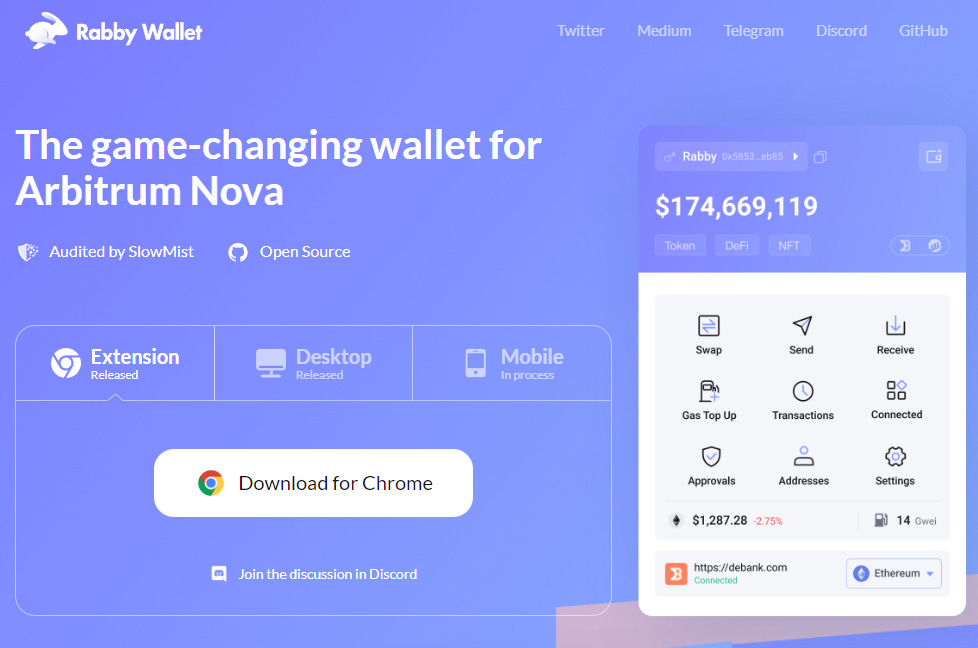
A solid extension keeps keys local, offers clear network context, and surfaces approvals in readable chunks. Really? Yes. It makes the difference between feeling in control and feeling like you’re one misclick away from a loss. On the technical side, this means deterministic key derivation, non-custodial signing, and sane permission management. On the UX side, it means instant visibility across chains, transaction history that’s not just raw hex, and meaningful alerts when something smells phishy. One wallet I’ve been testing that hits many of these marks is rabby wallet, and I ended up recommending it to friends after I poked around the permissions flow and enforcement patterns.
Here’s why that recommendation stuck. Rabby wallet—like other thoughtful extensions—separates account management from network settings so you don’t accidentally sign a tx for the wrong chain. It provides a safety layer over dApp approvals, showing readable summaries and grouping similar permissions so users can revoke or accept them with context. On the surface that sounds small, but in practice it changes how confidently you interact with new protocols. On one hand, fewer warnings can speed things up; though actually, well-placed friction often prevents expensive mistakes. My gut feeling said this before I audited flows, and then the data (and a few near-misses) confirmed it.
Whoa! Quick note—transaction signing UX matters more than you think. Short signatures that demand yes/no without context are dangerous. Medium-length explanations right next to gas settings help a lot. Long descriptions that bury the important details make users click through and hope for the best, which is exactly what attackers want. When a wallet lays things out clearly—source chain, destination, token amounts, and approval allowances—people make better decisions, even when they’re rushed.
Okay, so what about multi-chain token visibility? Many wallets claim to be “multi-chain” but rely on external indexing services that are slow or incomplete. That problem becomes obvious when tokens don’t show up, or when balance recalculation lags behind the mempool. I noticed this on weekends when lots of rollups and sidechains were congested; balances flickered and rewards were delayed. Initially I blamed the chain; later I learned that the wallet’s indexer choices and fallback nodes were the real culprits. On the bright side, a wallet that lets you add custom RPCs and reorder node priority gives you agency to bypass bottlenecks—just be careful with third-party RPC providers.
Here’s what bugs me about wallet approval models: the “approve unlimited” default. Seriously? It happens all the time. Wallets that make “infinite approval” the path of least resistance are nudging users toward persistent risk. A better approach prompts the user for a precise allowance and records that in a clear UI, while offering one-click revocation later. Rabby wallet, for instance, surfaces approvals and makes revocation accessible without jumping into obscure settings. I’m not 100% sure every user will use it, but making revocation easy reduces the momentum cost of safety—people are more likely to do the right thing if it’s effortless.
Let’s talk about dApp compatibility. Not all multi-chain extensions play nice with every dApp, especially those on non-EVM chains or on custom L2s. Some dApps expect a single global provider object and throw errors when a wallet isolates chain contexts for safety reasons. Initially I thought these were dApp bugs, though actually it’s often a mismatch between design philosophy: dApps want convenience; wallets want explicit permissions. The healthy compromise is a wallet that offers a developer-friendly bridge—clear RPC details, chain suggestion prompts, and a fallback that doesn’t silently sign-extend permissions.
My instinct about transaction batching has changed over time. Batching is elegant and reduces gas costs, but batching in a browser wallet needs transparent rollback behavior and explicit consent per sub-tx. If one batched tx fails, what happens to the user experience? Some wallets hide failures and leave users puzzled. Others provide step-by-step failure isolation and troubleshooting hints. That latter approach is human-friendly, and it matters when things go sideways during stress events like airdrops or front-running attempts.
Short aside: hardware wallet support is non-negotiable for serious users. Hmm… many browser extensions implement hardware integrations poorly, forcing awkward unlock flows or requiring repeated approvals that break UX. Wallets that embed robust hardware keyflows, with clear instructions and a single sign path for multi-chain txs, win trust. I’m biased, but I keep a hardware device for high-value operations; browser wallets should treat that as a first-class use case, not an afterthought.
Another thing—notifications. Small popup alerts about pending approvals or suspicious contract behavior save lives (figuratively). Too many wallets spam you with non-actionable pings. Too few and you miss critical info. The balance is subtle. The best systems let you set rules: quiet for small transfers, loud for approvals and contract interactions, and louder still when gas spikes or chain parameters deviate from expectations.
Here’s a useful mental model: think of your wallet like a personal bank teller who’s also a cautious lawyer. The teller should be friendly and fast. The lawyer should read every contract clause. A good extension balances those roles so you can act fast without being reckless. Initially I tried speed-first wallets and paid for it. Later I tried hyper-secure setups and slowed to a crawl. The sweet spot is practical security—smart defaults that protect without infantilizing the user.
FAQ
Is a multi-chain wallet safe to use for high-value assets?
Short answer: yes, if you combine a reputable extension with hardware keys and follow approval hygiene. Long answer: prioritize wallets that keep private keys client-side, show explicit contract permissions, and integrate hardware wallets smoothly. Also keep an eye on RPC choices and approvals—revoke allowances when you no longer need them.
Will a single extension across chains expose me to cross-chain risk?
On one hand, a unified wallet surface increases convenience; on the other, it centralizes your attack surface. The risk is manageable if the wallet uses secure key derivation and isolates chain-specific metadata. Use different accounts for very different threat models and don’t reuse mnemonic phrases across unrelated identities.
How does gas management work across chains in a multi-chain wallet?
Gas mechanics vary by chain, but the wallet should estimate fees using chain-specific heuristics and let you override them. Good wallets show expected fees in native gas units and fiat equivalents so you can make informed choices. If you care about predictability, choose wallets that let you pin custom RPCs or choose a node priority list.