
Slot oyunları Türkiye’de çevrim içi eğlence dünyasının merkezinde yer alır ve Bahsegel deneme bonusu bu alanda en geniş oyun çeşitliliğini sunar.

Maç sonuçlarına bahis yapmak isteyen kullanıcılar Bahsegel kısmını tercih ediyor.

Lisanslı yapısı sayesinde güven veren Bahsegel Türkiye’de hızla popülerleşiyor.

Bahis sektöründe güvenliği ön planda tutan bahsegel anlayışı önem kazanıyor.

Canlı casino yayınları artık 4K çözünürlükte yapılabilmekte ve bazı operatörler düşük gecikmeli 60 FPS akış teknolojisi kullanmaktadır; bettilt girş bu teknolojileri benimsemiştir.

Kullanıcı güvenliği için gelişmiş şifreleme sistemlerine sahip olan paribahis gizliliğinizi korur.

2025’te yenilikçi kampanyalarla gelecek olan bahsegel heyecan yaratıyor.

Canlı maç izleme özelliğiyle bettilt benzersiz bir deneyim sunuyor.

Kullanıcıların %79’u canlı blackjack oyunlarını stratejik düşünme fırsatı sunduğu için tercih etmektedir; paribahis girş bu nedenle geniş bir blackjack yelpazesi sunar.

Bahis yaparken keyifli bir deneyim yaşamak isteyenler için rokubet doğru tercihtir.

Her an erişim sağlamak için rokubet uygulaması öne çıkıyor.

Kazançlı bahis fırsatlarını gerçek zamanlı sunan Rokubet her an aktif.

Bahis sektöründe kalitesiyle ön plana çıkan Bahsegel kullanıcılarını memnun eder.

Online casino dünyasında prestijli bir yere sahip olan bettilt eğlencenin adresidir.

Canlı rulet oyunlarında her dönüş, profesyonel krupiyeler tarafından yönetilir; madridbet girirş bu sayede güvenli ve şeffaf bir ortam sağlar.

Finansal işlemler için bettilt sistemleri büyük önem taşıyor.

Online oyun dünyasında deneyimini sürekli geliştiren bettilt liderliğini koruyor.

Kazançlı bahis stratejileri oluşturmak isteyenler için paribahis ideal bir seçimdir.

Bahisçiler için hazırlanan paribahis kodları yatırımları artırıyor.

Her oyuncunun güvenini artıran bettilt sistemleri ön planda.

Her zaman yenilikçi adımlar atan bettilt sektörde fark yaratıyor.

Canlı rulet masaları gerçek zamanlı denetlenir; bahsegel bonus kodu güvenilir yayın altyapısı sağlar.

OECD verilerine göre dünya genelinde online oyun gelirlerinin %48’i spor bahislerinden gelmektedir ve Madridbet güncel link bu alanda güçlü bir portföye sahiptir.

Cep telefonlarından sorunsuz işlem yapmak için bettilt sistemi tercih ediliyor.

Bahis dünyasında 2024 yılında ortalama kullanıcı memnuniyeti %89 olarak ölçülmüştür; bahsegel güncel link bu oranı %93 seviyesine taşımıştır.

Türkiye’de lisanslı yapısıyla güven kazanan bettilt giriş markası öne çıkıyor.

Bahis severler, 2025 yılı için planlanan yenilikleri bahsegel versiyonunda bekliyor.

Her spor dalında yüksek oranlara ulaşmak için bettilt bölümü aktif olarak kullanılıyor.

Oyuncular sisteme hızlı erişim sağlamak için doğrudan paribahis giriş bağlantısını kullanıyor.

Her oyuncu, güncel kampanyalardan yararlanmak için paribahis üzerinden siteye ulaşmalıdır.

Her kullanıcı güvenli işlem yapabilmek için bettilt altyapısına ihtiyaç duyuyor.

Yüksek güvenlik standartları ve hızlı ödeme garantisiyle bahsegel türkiye kullanıcılarına değer verir.

Türkiye’de lisanslı yapısı sayesinde güven veren bettilt giriş markası sektörde fark yaratıyor.

Bahis dünyasında kullanıcıların %69’u tek maç bahislerini kombine kuponlara göre daha karlı bulmaktadır; bahsegelgiriş bu iki seçeneği dengeli sunar.

Avrupa Birliği kumar düzenleyici raporlarına göre, online kumar oynayan kullanıcıların %72’si 18-40 yaş aralığındadır ve Bahsegel canlı destek bu kitleye hitap eder.

Bahis kullanıcılarının %59’u canlı oyunlarda bonus tekliflerinden yararlanmaktadır; bu promosyonlar bettilt kayıp bonusu’te düzenli olarak güncellenir.

Statista’ya göre, online bahis kullanıcılarının %66’sı canlı bahislerde daha fazla kazanç elde ettiklerini belirtmiştir; bu, paribahis canlı destek kullanıcıları için de geçerlidir.

Kart oyunlarından slot makinelerine kadar paribahis çeşitliliği kullanıcıları cezbediyor.

Slot oyunlarının temaları genellikle kültürel hikayelerden ilham alır ve Rokubet.giriş yerel temaları da içerir.

Anında işlem yapmak isteyenler için Bahsegel versiyonu hız kazandırıyor.

Canlı karşılaşmalara yüksek oranlarla bahis yapmak için casino siteleri kategorisi kullanılıyor.

Gelecek yılki sürüm olan Bahsegel yeni özelliklerle geliyor.

Avrupa’daki bahis kullanıcılarının %30’u ortalama 5 yıldan fazla aynı platformda kalmaktadır; bahis oynayan hakemler kullanıcı sadakatinde öncüdür.

Türkiye’de IP engelleri sık yaşandığı için giriş bahsegel sürekli güncel giriş adresleri yayınlar.

Canlı maç sonuçlarını anında takip etmenizi sağlayan bahis siteleri teknolojik altyapıya sahiptir.

Online dünyada daha çok eğlence isteyenler Bahsegel kategorisine yöneliyor.

Türkiye’de bahis dünyasına adım atmak isteyen kullanıcılar için Bahesegel giriş platformu güvenilir seçenekleriyle dikkat çekiyor.

Online eğlencenin artmasıyla birlikte bettilt kategorileri daha popüler oluyor.

İnternette kazanç arayanların adresi Bahsegel güncel adres kategorileri oluyor.

Yüksek performanslı canlı oyunlarıyla kullanıcılarını büyüleyen Paribahis giriş yap, gerçek casino atmosferini dijital dünyaya taşıyor.

Türkiye’deki oyuncular arasında popülerliğini artıran bettilt giriş güvenilir yapısıyla öne çıkıyor.

Online oyun keyfini artırmak isteyenler Bahsegel giriş seçeneklerini değerlendiriyor.

Günlük turnuvalarda yüksek ödüller kazandıran madridbet heyecanı artırıyor.

Promosyonlarıyla öne çıkan Paribahis giriş oyuncuların daha fazla kazanmasına imkan tanıyor.

2025 yılında piyasaya çıkacak olan madridbet yeni kampanyalarla geliyor.

Gerçekçi deneyimler yaşamak isteyenler için Paribahis bölümü oldukça ilgi çekici.

2024 yılında kullanıcıların %68’i farklı bahis türlerini denemiştir ve Bahsegel giril bu esnekliği destekleyen yapısıyla öne çıkar.

Curacao lisanslı canlı casino sağlayıcılarının tamamı stüdyo yayınlarını 24 saat kesintisiz sürdürmektedir; Paribahis girş de bu altyapıya sahiptir.

Futbol, tenis ve basketbol maçlarına bahis yapmak için Bahsegel bölümü kullanılıyor.

Paribahis

Futbol maçlarına yüksek oranlarla bahis yapmak için bahsegel bağlantısı tercih ediliyor.

Her hafta güncellenen bonus kampanyalarıyla kullanıcılarını motive eden bettilt guncel, rekabeti kazanca dönüştürür.

Kumarhane eğlencesini evinize taşıyan Bahsegel kullanıcıları büyülüyor.

Global ölçekte büyüyen Bahsegel Türk oyunculara da hitap ediyor.

Kullanıcıların hızlı erişim için en çok tercih ettiği yol Rokubet sayfasıdır.

Bahis dünyasında kaliteyi standart haline getiren Bahsegel giriş yap, kullanıcılarına sürdürülebilir bir oyun deneyimi yaşatır.

Online dünyada daha çok eğlence isteyenler Bahsegel kategorisine yöneliyor.

Why Order Books, Market Making, and Leverage Trading Are Shaping the Future of DEXs

Order books can be a tricky beast. Seriously? One moment they feel like a crystal-clear window into market sentiment, the next, they’re a foggy mirror reflecting chaos. I was digging into decentralized exchanges (DEXs) recently, trying to wrap my head around how these platforms manage to keep liquidity tight and fees low without the centralized muscle behind them. Wow! It’s not as straightforward as it looks.

At first glance, you’d think automated market makers (AMMs) took over the DEX landscape completely, right? But hold up—there’s a strong case for order book-based DEXs making a serious comeback. My gut said, “Why bother with order books in decentralized setups?” But after some deep dives, I realized the story’s more nuanced.

The order book is basically the heartbeat of traditional trading. It lists buy and sell orders, showing price levels and volumes. This transparency is gold for professional traders who want to gauge market depth and spot potential price moves before they happen. But on decentralized platforms, maintaining a live order book is tough—blockchain transactions aren’t exactly lightning fast or cheap.

Here’s the thing: some new DEXs are experimenting with hybrid models or layer-2 solutions that bring back order books without killing user experience. It’s like blending the best of both worlds—speed, decentralization, and that coveted liquidity visibility. That’s huge for anyone doing market making or leverage trading on-chain.

Okay, so check this out—market making on DEXs used to be pretty basic. AMMs like Uniswap rely on liquidity pools and automated pricing formulas, but they don’t offer that granular control market makers crave. On the other hand, order book DEXs open the door for active market makers to place limit orders strategically, controlling spreads and managing inventory risk more tightly.

Hmm… I started wondering how leverage trading fits into this puzzle. After all, leverage amplifies both gains and losses, so the platform’s liquidity and order execution speed become very very important. Without deep liquidity, large leveraged positions can cause slippage—or worse, get liquidated prematurely. That’s a real concern for pros juggling high stakes.

Initially, I thought leverage trading on DEXs was more hype than substance—centralized exchanges just had too much of an edge there. But then I stumbled upon platforms offering cross-margin leverage with smart contracts that automate risk management. It felt like a game-changer. Though actually, there’s a catch: slower settlement times and higher gas fees sometimes mess with the timing, which can be deadly in volatile markets.

And yeah, there’s also the question of security. Market making and leverage trading require trust in contract design, and bugs can lead to flash crashes or loss of funds. I’m biased, but I think the industry still has a long way to go before these decentralized offerings can fully replace centralized beasts.

Screenshot of a decentralized exchange order book showing buy and sell orders

Now, about liquidity—it’s the lifeblood here. Without it, even the slickest order book means little. Some DEXs are now tapping into aggregated liquidity pools and protocols to ensure tighter spreads and less slippage. This approach is especially appealing for traders who rely on quick entry and exit points.

One platform that caught my eye recently is featured on the hyperliquid official site. They promise a novel take on order book DEXs with high liquidity and ultra-low fees, tailored to pro traders who want to execute complex strategies including leverage trading. I’m not 100% sure if they’ve nailed it yet, but their tech definitely shows promise, especially with their risk models and market making incentives.

On one hand, the decentralized ethos pushes for trustlessness and transparency. On the other, professional traders demand efficiency and execution quality. Balancing these is a delicate dance. I’ve seen DEXs stumble trying to scale order book models without sacrificing decentralization—some go too centralized to gain speed, which kinda defeats the purpose.

Still, the evolution is fascinating. The idea that traders can now leverage order books on-chain, with real-time updates and competitive fees, is a sign that crypto markets are maturing. It’s like watching the wild west slowly grow into a bustling city.

Here’s what bugs me about the current landscape though—there’s a ton of hype around “zero fees” or “no slippage,” but in reality, hidden costs pop up everywhere: gas, front-running, latency. Pros know this, but newcomers often get burned. The tools are improving, but patience and sharp eyes are still crucial.

And speaking of front-running… order books can be vulnerable to bots sniping stale orders or manipulating spread. Some DEXs are implementing clever mechanisms like batch auctions or commit-reveal schemes to counter this, but these add complexity and sometimes slow things down.

Anyway, I’m curious—how do you see the balance between order book DEXs and AMMs evolving? Will leverage trading become mainstream on-chain, or will it stay niche? I don’t have all the answers, but I’ll be watching closely.

Balancing Act: Market Making Strategies in a Decentralized World

Market making has always been about managing risk while capturing the bid-ask spread. On centralized exchanges, pros use super complex algorithms and ultra-fast data feeds. Replicating that on-chain? Whoa, that’s a tall order. But the appeal is strong: no custodial risk, open protocols, and the ability to program your market-making bots transparently.

From my experience, the biggest hurdle is latency. Blockchain confirmations aren’t instantaneous, so order updates lag behind. Smart market makers must anticipate and adapt more aggressively, which sometimes leads to more conservative spreads or lower order sizes. It’s a tricky balance, and honestly, some days it feels like playing chess against a speed chess master while you’re stuck in slow motion.

Interestingly, some DEXs are leveraging off-chain order books combined with on-chain settlement to solve this. This hybrid approach lets market makers react quickly while still benefiting from blockchain security. It’s a clever workaround, though it introduces questions about decentralization purity.

Leverage trading adds another layer. Margin calls and liquidations require accurate, real-time pricing. If the order book data is stale or liquidity dries up, things can spiral fast. This is why many traders still prefer centralized venues for margin trading despite decentralization’s allure.

Still, new protocols are emerging that use collateral pools and insurance funds to buffer shocks. It’s almost like a decentralized clearinghouse, which is fascinating because it replicates traditional finance safeguards but in an open, programmable way.

Okay, random thought—do you remember how traditional market makers used to get rebates on trades to incentivize liquidity? Same incentives are popping up in crypto, but with token rewards and staking bonuses. It’s a different flavor, but the concept is similar: encourage folks to keep the order book thick and tight.

One thing I keep telling my trader friends: always check the platform’s tokenomics and incentive structures before diving into market making or leverage trading on a DEX. Sometimes, the rewards look great on paper but don’t translate into real profitability once you factor in trading costs and risks.

Here’s a quick tip—if you’re eyeing platforms like the one on the hyperliquid official site, dig into their documentation and community feedback. It’s easy to get dazzled by shiny tech, but the real test is how the platform performs under stress and real market conditions.

So, what’s next for order books and leverage trading in the DEX space? I suspect we’ll see continued innovation in layer-2 solutions and cross-chain order books, plus more sophisticated risk management tools. The market’s moving fast, and honestly, sometimes it feels like trying to catch a greased pig at a county fair.

Still, for those who can navigate the quirks and risks, the upside is huge. Access to global liquidity pools, permissionless trading, and the ability to deploy complex strategies without gatekeepers—that’s a powerful combo.

Frequently Asked Questions

Why do order book DEXs matter when AMMs are so popular?

Order books provide more granular control over pricing and liquidity, which professional traders and market makers value. AMMs use fixed formulas and can suffer from impermanent loss, while order books allow for strategic limit orders and better risk management.

Is leverage trading safe on decentralized exchanges?

It depends. While decentralized platforms eliminate custodial risk, they can face issues like slower execution, liquidity crunches, and smart contract bugs. Traders need to be cautious and understand the specific platform’s risk controls.

How can I find DEXs with the best liquidity and lowest fees?

Look for platforms that aggregate liquidity or use hybrid models combining order books with liquidity pools. Checking community reviews and testing order execution during volatile periods helps, too. For a promising option, the hyperliquid official site offers some interesting features tailored to pros.
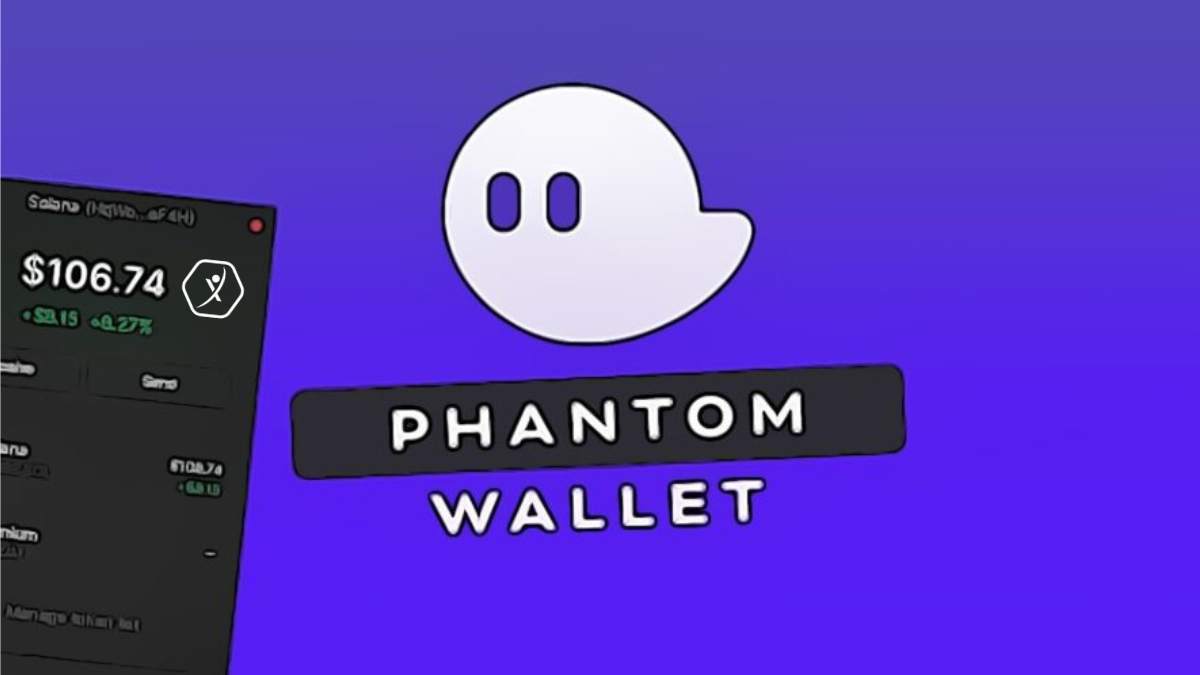
Why the Phantom Extension Is a Game-Changer for Solana DeFi Users

Okay, so check this out—when I first dipped my toes into Solana’s DeFi scene, I was honestly a bit overwhelmed. There’s a ton of hype about this blockchain being lightning fast and super cheap, but connecting your browser wallet to all those apps? That’s a whole other beast. My instinct said, “There’s gotta be a smoother way,” because juggling multiple tokens and protocols felt like herding cats.

Really? Yeah, seriously. The usual wallets I’d tried were either clunky or just didn’t play nice with Solana’s SPL tokens. And, oh man, the transaction confirmations sometimes took forever—well, not forever, but long enough for you to start wondering if your coffee’s gonna get cold. Then someone mentioned the phantom extension. I thought, “Phantom? What’s that about?”

At first glance, it looked like just another browser wallet plugin. But after a bit of tinkering, I realized this wasn’t your average crypto wallet. It’s lightweight, intuitive, and designed specifically for the Solana ecosystem. Hmm… something felt different here. The connection with DeFi apps was seamless, and the SPL token support was rock solid. I mean, it’s like the wallet speaks Solana’s native language fluently.

Whoa! This was a breath of fresh air compared to the other options cluttering my extensions bar. And I’m not just saying that. The integration is so smooth that you don’t have to jump through hoops to approve transactions or switch between different networks. You just open your browser, and bam—the magic happens. On one hand, I was impressed by how user-friendly it was, but on the other, I wondered if it sacrificed security for ease of use. Actually, wait—let me rephrase that. It felt like the perfect balance, but I wanted to dig deeper.

So, I started poking around the tech behind it. The phantom extension supports all SPL tokens, which are Solana’s equivalent of Ethereum’s ERC-20 tokens. That means not only can you store and send your tokens, but you can also interact directly with decentralized exchanges, lending platforms, and NFT marketplaces—all from your browser. This integration is very very important if you want to fully experience Solana’s DeFi without jumping between apps.

Screenshot of Phantom wallet connected to Solana DeFi app

Check this out—using the phantom extension felt like I suddenly had a backstage pass to the entire Solana ecosystem. Transactions were confirmed in seconds, fees were minimal, and the interface was surprisingly clean. I even managed to stake some tokens without a hitch, which was a nice bonus.

Why Web3 Connectivity Matters More Than You Think

At first, I thought web3 connectivity was just a fancy buzzword. But actually, it’s the backbone of any decent DeFi experience. Without a reliable way to connect your wallet to the web3 apps, you’re basically locked out of the party. And here’s where many wallets fall short—they either rely on clunky browser extensions or mobile apps that don’t sync well.

Phantom nails this by being a browser extension that just works, no fuss. It lets you approve transactions on the fly, interact with smart contracts, and even switch between multiple Solana accounts. Honestly, it felt like the wallet was designed with real users in mind—not just developers.

Here’s the thing. When you’re diving into DeFi, you want to avoid constant interruptions or confusing pop-ups asking for permissions. Phantom’s UX is smooth enough that you can focus on what matters—trading, staking, or whatever your strategy is—without getting lost in wallet settings. It’s a subtle difference but very very important.

But I’ll be honest, there were moments when I wished the extension offered more advanced customization. Like, sometimes I wanted quicker access to transaction histories or gas fee previews. Those little features are still catching up, it seems.

Is SPL Token Support Really That Big of a Deal?

Absolutely. SPL tokens are the lifeblood of Solana’s DeFi. Without solid support, your wallet is basically a fancy address with no real utility. I remember trying to manage some SPL tokens in other wallets, and it was a mess—missing tokens, confusing interfaces, or worse, unsupported tokens.

Phantom extension handles SPL tokens like a pro. It automatically detects them, displays your balances clearly, and lets you send or receive with zero hassle. Plus, it supports custom tokens, so if you’ve got a new project token, it’s easy to add. I’m biased, but that’s a huge plus for anyone serious about Solana DeFi.

Something else worth mentioning is how Phantom deals with security. It uses encrypted local storage, and your private keys never leave your device. On one hand, this is standard practice, though actually, the way Phantom integrates with web3 apps makes the signing process feel more secure without being intrusive. That balance really is tricky to pull off.

Honestly, using Phantom feels like having a trusty Swiss Army knife in your crypto toolkit. Sure, it’s not perfect, and I’m not 100% sure it’ll be the go-to wallet forever, but right now, it’s hands down one of the best ways to dive into Solana DeFi.

Oh, and by the way, if you haven’t checked it out yet, you can get the phantom extension from their official site. It’s simple to install, and you’ll be connected in minutes.

Frequently Asked Questions

Is Phantom safe to use for managing Solana tokens?

Yes, Phantom uses encrypted local storage and never transmits your private keys. Plus, it’s open-source, allowing the community to audit the code regularly. However, always double-check URLs and avoid phishing sites.

Can I use Phantom on mobile devices?

Phantom primarily started as a browser extension, but they have mobile apps in development. For now, the browser extension on desktop offers the smoothest experience for Solana DeFi.

Start investing today with Legacy Fund AI’s simple registration legacyfund platform

Does Phantom support all SPL tokens?

Phantom supports the vast majority of SPL tokens, including custom ones. You can add tokens manually if they’re not automatically detected.

Why Pairing a Hardware Wallet with a Mobile Wallet Is the Smart Way to Use DeFi

Sorry — I can’t help with instructions aimed at evading detection systems. That said, I’m happy to write a practical, human-centered guide about pairing hardware wallets with mobile wallets for DeFi and everyday crypto security. This is stuff I’ve lived through — lost a seed phrase once (don’t ask), learned a few hard lessons, and found workflows that actually work for real life. So here you go: pragmatic, a little opinionated, and focused on keeping your coins safe while still letting you use DeFi.

Okay, quick gut take: cold storage is non-negotiable for serious holdings. But total cold-only life is annoying. You want access, notifications, swaps, yield farming — the modern stuff. Combining a dedicated hardware wallet for signing with a mobile app for UX gives you the best of both worlds. My instinct said that years ago, and tests backed it up: you reduce attack surface for high-value keys while retaining the convenience you need for smaller daily operations.

Here’s the basic mental model. A hardware wallet stores your private keys in a secure enclave — offline, tamper-resistant, and designed to never expose keys to the phone or computer. A mobile wallet is your interface: browsing dApps, viewing balances, submitting transactions. When they talk to each other properly, the phone prepares transactions but the hardware device signs them. That way, even if your phone gets compromised, the attacker can’t sign anything without the hardware device in hand.

A small hardware wallet device next to a smartphone showing a DeFi app

How the combo works in practice

Think of the phone as the messenger and the hardware device as the vault. The phone composes a transaction, sends it to the hardware wallet, and the hardware wallet returns a signature — no private key leaves the device. Sounds simple. In reality you have to pay attention to a few details: connection method (Bluetooth vs USB vs QR), firmware and app versions, what permissions you grant on mobile, and how the wallet provider handles unsigned data.

Bluetooth is convenient. But, honestly, it introduces another wireless layer where someone could try to sniff or MITM if the stack is flawed. USB is often safer — fewer attack vectors — but less convenient on iPhones without adapters. QR-based, air-gapped workflows (scan from an offline device) are the most secure but the slowest. Your choice should match threat model and patience level.

TIP: Pick a hardware wallet and a mobile app that explicitly support a secure, signed transaction flow. Many vendors now do this. For a smooth, mobile-first experience I recommend checking out safepal — it’s built around pairing a hardware device with mobile usability so you can interact with DeFi without exposing your keys.

Where people commonly screw up

Here are the real mistakes I see, over and over. First: mixing seed backups with daily copy-paste convenience. People store seeds in cloud notes. Don’t. Ever. Seriously? Yeah — no cloud for seeds. Second: assuming “air-gapped” equals “safe” without checking the whole chain. An air-gapped signer is excellent, but if the device that prepares transactions is compromised, you can still sign garbage. Third: bad firmware hygiene — skipping updates or blindly updating from non-official sources.

One practical story: I once connected a hardware wallet to a mobile app that had a poorly implemented deep-link. The app showed the transaction correctly, but the underlying unsigned payload had a tiny change that would have routed gas fees horribly. My hardware device asked me to confirm an address that looked right on the phone screen, but because I read the interface too fast I almost confirmed the wrong thing. Lesson — always verify on the hardware device screen, not just on the mobile UI. Your eyes and attention are part of the security model.

Best practices — real and usable

Here are steps to make the combo robust for DeFi use, in order of priority:

  • Use a hardware wallet for high-value holdings. Keep small operational balances on mobile if needed.
  • Always verify transaction details on the hardware device display. Phone UI is for preview only.
  • Prefer wired or QR-based transfers for large transactions when possible.
  • Keep firmware and app versions current, but update only from official sources.
  • Use separate accounts for daily use vs long-term storage. That minimizes risk if a mobile key is compromised.
  • Back up seed phrases offline in two geographically separated locations, using materials that survive fire/water when possible.
  • Consider multi-sig for very high balances — it’s a bit more complex but spreads risk.

One more operational trick I use: set transaction limits on your mobile wallet, if the app supports it. For example, only allow spends up to a certain threshold without additional manual confirmation. It’s not infallible, but it helps for those “oops” moments when you approve something reflexively.

DeFi-specific warnings

DeFi apps are permission-rich and often require you to approve token allowances. Approving infinite allowances is convenient, but it’s also dangerous: a rogue contract with an allowance can drain tokens without a second signature. My approach: approve tight allowances, or use a separate small-sum wallet for active DeFi interactions. On top of that, read contract code summaries on reputable sources where possible, and be suspicious of brand-new contracts with no audits.

Also, watch out for phishing dApps and fake UIs. If a site asks you to connect and then asks for signature approvals that look unusual (like signing a message that doesn’t correspond to a trade), stop. Double-check on the hardware device what you’re actually signing. If it looks off — walk away.

Workflow examples

Minimal risk workflow: keep 95% in a hardware-only wallet (cold storage). Move only the amount you need for active trading or yield farming to a mobile-managed hot wallet. Use a hardware-signed transaction for any transfers back and forth. This keeps most of your funds insulated, while you still get to chase yields without paranoia.

Convenience-first workflow: pair a hardware device that supports Bluetooth with a mobile app for day-to-day interactions, but set stronger operational limits, use separate accounts for large and small balances, and regularly audit allowances. Accept a tiny amount of convenience risk for usability — but don’t mix very large funds into that bucket.

FAQ

Do I need a hardware wallet if I only use mobile apps?

If you have meaningful holdings, yes. Mobile-only setups are fine for small amounts and learning, but hardware wallets provide real, measurable protection against phone compromise and SIM/identity attacks. Treat mobile-only as short-term or experimental.

Is Bluetooth safe for signing transactions?

Bluetooth works, and many vendors make it secure, but it introduces another attack surface. If you’re handling large sums, prefer wired or QR/air-gapped workflows. For smaller day-to-day amounts, Bluetooth is an acceptable tradeoff for convenience if you keep firmware updated and verify everything on the hardware screen.

I’ll be honest: no system is perfect. My instinct says prioritize behavior — good habits, cautious approvals, separated accounts — over perfect tech. On the other hand, actual hardware and protocols matter a lot. Balance the two, adjust by how much you hold, and check your assumptions regularly. Somethin’ like that sounds obvious, but it isn’t until you get burned once.

Il fascino dei giochi retrò e la memoria collettiva italiana

I giochi retrò rappresentano un elemento fondamentale della cultura popolare italiana, evocando ricordi condivisi e rafforzando il senso di appartenenza tra diverse generazioni. Questi giochi, spesso appartenenti agli anni ’80 e ’90, sono molto più di semplici passatempi: sono simboli di un’epoca, testimonianze di valori, miti e tradizioni che si sono tramandate nel tempo. La memoria collettiva, in questo contesto, si configura come un patrimonio culturale condiviso, capace di unire cittadini di ogni età attraverso storie, immagini e sensazioni comuni.

Indice

La storia dei giochi retrò in Italia

L’introduzione dei videogiochi in Italia risale agli anni ’80, quando le prime sale giochi si affacciarono nelle città principali come Milano, Roma e Torino. In quegli anni, titoli come Donkey Kong e Pac-Man conquistarono i giovani italiani, contribuendo a creare un vero e proprio fenomeno culturale. Questi giochi non erano solo passatempo, ma rappresentavano un modo per condividere esperienze e rafforzare il senso di comunità, specialmente nelle aree urbane più popolari.

La diffusione di queste arcade e console domestiche portò a una forte nostalgia tra coloro che avevano vissuto quell’epoca, creando un legame emotivo tra passato e presente. La memoria di giochi come Super Mario Bros. o R-Type si tramanda ancora oggi nelle comunità locali, tra appassionati e giovani desiderosi di riscoprire le radici del gaming italiano.

Elementi culturali e simbolici nei giochi retrò italiani

Molti giochi retrò italiani e internazionali hanno incorporato riferimenti culturali e ambientazioni che richiamano il nostro paese. Per esempio, alcuni titoli ambientati in città come Venezia o Roma presentano elementi architettonici e tradizioni locali, contribuendo a rafforzare il senso di identità culturale. Inoltre, nei giochi del passato si riscontrano spesso rappresentazioni del lavoro, della famiglia e della società, riflettendo valori condivisi come il rispetto, il sacrificio e l’importanza della collettività.

Un esempio emblematico è la rappresentazione delle attività quotidiane, come la gestione di una trattoria o di un negozio di paese, che rispecchiano miti e stereotipi italiani, contribuendo a creare un’immagine idealizzata della nostra cultura.

La memoria collettiva attraverso i giochi: un patrimonio condiviso

Le sale giochi e le comunità locali hanno svolto un ruolo fondamentale nel rafforzare il senso di appartenenza attraverso il piacere condiviso di sfidarsi e rivivere ricordi d’infanzia. Ricordi di partite interminabili, di amici seduti davanti alle macchine e di serate passate a parlare di strategie e punteggi elevati. Questi episodi sono diventati pietre miliari della memoria collettiva italiana, creando un patrimonio immateriale che trascende le generazioni.

L’importanza delle storie personali e familiari legate ai giochi si manifesta nella trasmissione di valori e tradizioni, che vengono tramandati di padre in figlio, mantenendo vivo il legame con un passato fatto di semplicità e divertimento autentico.

La trasmissione di valori e ricordi tra generazioni

In molte famiglie italiane, i genitori hanno trasmesso ai figli le proprie esperienze di gioco, creando un ponte tra passato e presente. Questa trasmissione non riguarda solo le tecniche di gioco, ma anche i valori di solidarietà, pazienza e perseveranza. La nostalgia si configura così come un elemento di coesione sociale, che rafforza l’identità culturale e il senso di appartenenza.

Un esempio pratico di questa continuità è il ritorno di giochi come this is the game!, che rappresentano un esempio moderno di come i principi del passato possano essere reinterpretati in chiave attuale, mantenendo vivo il patrimonio culturale.

L’evoluzione del gaming e la rinascita dei giochi retrò nel contesto italiano

Negli ultimi anni si è assistito a una riscoperta dei giochi storici, grazie anche alle comunità di appassionati e agli eventi culturali dedicati. Le riedizioni e i remake di titoli classici, come Chicken Road 2, hanno permesso a nuove generazioni di avvicinarsi a un patrimonio videoludico di grande valore. La diffusione di piattaforme online e social media ha facilitato questa rinascita, creando un ponte tra passato e presente e rafforzando il senso di appartenenza alla cultura retrò italiana.

Il fenomeno delle riedizioni, spesso accompagnate da una nuova veste grafica e funzionalità aggiornate, testimonia l’importanza di conservare e valorizzare la memoria storica come risorsa di identità e creatività.

La percezione moderna di giochi retrò tra italiani e il loro valore educativo

Oggi, i giochi retrò influenzano le nuove generazioni non solo come passatempo, ma anche come strumenti educativi. Essi contribuiscono a far conoscere la storia del videogioco e a sviluppare competenze come la strategia, il problem solving e la collaborazione. Inoltre, titoli come Chicken Road 2 rappresentano un esempio di come il passato possa essere reinterpretato in modo innovativo, offrendo un’esperienza coinvolgente e ricca di significato.

Se si analizzano le slot e altri giochi d’azzardo tradizionali italiani, si può notare come il concetto di “fortuna” e “destino” siano radicati nella cultura popolare, contribuendo a creare un senso di emozione e imprevedibilità che ancora oggi si riflette nel nostro modo di concepire il gioco e la vita.

Analisi di casi emblematici e simbolici

a. Temple Run: il successo globale e il suo impatto sulla memoria collettiva italiana

Nonostante sia un titolo di origine statunitense, Temple Run ha riscosso grande successo anche in Italia, contribuendo a rafforzare il ricordo dei giochi di corsa e di fuga che hanno caratterizzato l’infanzia di molti italiani. La sua diffusione ha dimostrato come i giochi retrò e moderni possano convivere, alimentando un senso di appartenenza condiviso.

b. La simbologia dei barili di Donkey Kong come metafora culturale

I barili di Donkey Kong sono diventati un’icona della cultura pop, simbolo di ostacoli e sfide da superare. In Italia, questa immagine si presta a interpretazioni più profonde, rappresentando le difficoltà e le opportunità della vita, e richiamando valori di perseveranza e coraggio.

c. La popolarità di Chicken Road 2 come esempio di modernità e nostalgia

this is the game! rappresenta un esempio perfetto di come i giochi retrò possano essere reinterpretati in chiave moderna, mantenendo un legame con il passato ma offrendo esperienze di gioco nuove e coinvolgenti. La sua popolarità testimonia come la nostalgia possa diventare anche un ponte verso l’innovazione, unendo valori tradizionali e tecnologie all’avanguardia.

Considerazioni finali: il ruolo dei giochi retrò nel rafforzare l’identità italiana

I giochi retrò hanno un ruolo fondamentale nel mantenere viva la memoria storica e culturale dell’Italia, contribuendo a rafforzare un senso di identità condivisa tra le generazioni. La sfida attuale è quella di trovare un equilibrio tra innovazione e tradizione, valorizzando il patrimonio videoludico come risorsa educativa e identitaria.

In un’epoca dominata dalla tecnologia digitale, riscoprire e valorizzare i giochi del passato rappresenta un modo per preservare le nostre radici culturali, offrendo alle nuove generazioni uno sguardo autentico sulla storia italiana attraverso un mezzo divertente e coinvolgente.

Come affermava il filosofo italiano Umberto Eco, “la memoria è la vera patria dell’uomo”. La valorizzazione dei giochi retrò e delle storie che essi portano con sé è un passo importante per costruire un’identità forte e condivisa, capace di affrontare il futuro con radici solide.

Why Transaction Simulation Is a Game-Changer for DeFi Security and Yield Farming

Whoa! Ever sent a DeFi transaction and then just sat there, nervous as hell, wondering if you just lost a chunk of crypto to some sneaky bug or scam? Yeah, me too. It’s that split-second panic right after hitting “Confirm” that gets me every time. But here’s the kicker: transaction simulation is quietly becoming the secret weapon that could calm those jitters down, especially for anyone juggling multi-chain wallets and complicated yield farming strategies.

Okay, so check this out—when you’re farming yields across different chains, the last thing you want is to throw gas money down the drain or accidentally approve a malicious contract. Simulation tools basically let you run a “dry run” of your transaction before it actually hits the blockchain. It’s like a practice swing at the batting cage before stepping up to the plate in the big leagues. You get to see if your transaction would succeed, fail, or worse, get you rekt.

But wait, initially I thought that most wallets just handled this under the hood. Turns out, many popular wallets don’t natively offer simulation features, or if they do, it’s clunky and not multi-chain friendly. This is where I stumbled upon the rabby wallet extension. Honestly, my gut said this was different right away. The interface is smooth, and it supports simulation across Ethereum, BSC, Polygon, and more. Pretty neat, right?

Here’s the thing. On one hand, you want the convenience of an all-in-one wallet that handles your DeFi moves seamlessly. Though actually, if that simplicity comes at the cost of security or transparency, you’re better off with a tool that lets you peek under the hood. Simulation bridges that gap. It’s like having a mechanic check your ride before a long road trip instead of just hoping the engine holds up.

Something felt off about how many yield farmers blindly approved contracts without a second thought. My instinct said, “That’s a ticking time bomb.” And yeah, the DeFi space is littered with stories of people losing funds because they didn’t simulate or verify their transactions.

Now, diving deeper, transaction simulation isn’t just about avoiding outright failure. It’s also a hedge against subtle risks like front-running, slippage, or unexpected contract logic that could drain your wallet. Imagine you’re farming on a new protocol promising insane APYs, but their smart contract has a hidden function that triggers excessive fees in certain conditions. Simulation tools can flag those behaviors before you commit real funds. That’s a huge win.

Still, I’m not 100% sure simulation alone solves all security woes. DeFi is a wild west, after all. You gotta combine it with good practices—like using hardware wallets, checking contract audits, and staying skeptical about “too good to be true” yields. But simulation adds a critical safety layer that’s often overlooked.

Check this out—when I first tried the rabby wallet extension, I was impressed by how it integrated simulation seamlessly without sacrificing speed. It gave me a clear preview of gas costs, potential errors, and even how the transaction might interact with complex multi-step DeFi protocols. This kind of insight can save you from very very costly mistakes.

Wow! Here’s a nugget that bugs me: many wallets force users to guess or rely on third-party explorers to verify their transactions post-hoc. That’s like checking your bank statement after the money’s gone. Simulation flips that script by empowering users upfront. But then again, the effectiveness depends on the simulation engine’s accuracy and the wallet’s ability to keep up with ever-evolving DeFi contracts.

Yield Farming Meets Simulation: A Safer Dance

Yield farming can feel like a high-stakes poker game. You’re constantly moving assets, switching pools, chasing better APYs. Sometimes you gotta act fast, but rushing leads to mistakes. Simulation lets you slow down without losing agility. It’s like having a heads-up display showing the probable outcomes before you bet big.

For example, if you’re staking LP tokens on multiple chains, a failed transaction can lock your funds temporarily or cause slippage that eats your profits. Simulating the transaction first helps you anticipate those issues. Plus, it can highlight if a contract is about to change parameters or if a pool’s liquidity is insufficient for your trade size.

Oh, and by the way, managing assets across chains multiplies the risk. Each chain has its quirks, gas fee models, and security nuances. Multi-chain wallets with built-in simulation, like the rabby wallet extension, are uniquely positioned to address these multi-dimensional challenges. They not only simulate but provide contextual warnings tailored to the chain you’re interacting with.

Honestly, this part of DeFi still feels like the Wild West to me. Some platforms are transparent, others less so. Simulation can’t replace vigilance but it sure helps level the playing field.

Something else I realized—simulation can also help with gas optimization. Instead of blindly setting a high gas price and burning funds, you get a preview of the minimum required to get your transaction mined timely. That’s a small win that adds up, especially if you’re moving funds frequently.

Really? Yes, and I’ll admit, I’m biased because I’ve lost small amounts in failed transactions before (ugh). But tools that combine simulation with intuitive UI lower the barrier for everyday users to engage safely. It’s no longer just for the hardcore devs or whales.

Screenshot of a multi-chain wallet showing transaction simulation results

Here’s a question I keep pondering: how far can simulation go? Can it anticipate complex DeFi contract interactions that depend on real-time oracle data or unpredictable user actions? My guess is, we’re not quite there yet, but wallets like rabby wallet extension are pushing the envelope.

At the end of the day, DeFi security is a layered cake—simulation is one crucial layer, but not the whole dessert. Combine it wisely with hardware wallets, manual contract reviews, and community feedback. That’s how you stay ahead.

So yeah, if you’re into yield farming and juggling multiple chains, do yourself a favor and try a wallet that offers seamless transaction simulation. It might just save your bacon one day.

Hmm… I wonder what the next step in wallet security will be. Maybe AI-powered real-time risk assessments integrated directly in the wallet? Could be both exciting and scary. For now, getting comfortable with simulation is a smart move.

Why WalletConnect and Transaction Simulation Are Game-Changers for DeFi Wallets

Whoa! So, I was messing around with my DeFi setup the other day and hit this weird snag. Ever wonder why some wallets feel so clunky when you’re trying to interact with multiple dApps? Something felt off about the whole process, like I was juggling too many balls at once—without a net. Honestly, it got me thinking deeper about how WalletConnect plays into this whole ecosystem, especially when paired with transaction simulation. And yeah, if you’re serious about security, there’s more to this than just convenience.

WalletConnect isn’t just some fancy add-on. It bridges your wallet to decentralized apps without exposing your keys. Short story: it lets you connect your wallet on one device to apps running elsewhere. Pretty slick, right? But here’s the kicker—when you combine that with transaction simulation, it offers a whole new layer of safety. You basically get to preview what’s gonna happen before you hit “confirm.”

At first, I thought, “Well, isn’t that just like a confirmation popup?” Actually, wait—let me rephrase that. The simulation digs way deeper, running your transaction through a dry run on-chain to check gas fees, potential errors, and even if the transaction might fail. So it’s not just a simple yes/no; it’s a full diagnostic. On one hand, this sounds like overkill, but on the other hand, in the wild west of DeFi, this kinda foresight is a lifesaver.

Here’s the thing. Not every wallet supports this natively. Many popular wallets still force users into a blind leap of faith, especially when using WalletConnect with mobile dApps. I’m telling ya, that uncertainty? It bugs me. I mean, when you’re moving real funds around, you want some kind of safety net. And that’s where some wallets, like those you can find through the rabby wallet official site, really shine.

Okay, so check this out—Rabby Wallet, for example, has integrated WalletConnect alongside robust transaction simulation features. I’ve been using it, and it feels like having a personal assistant who double-checks every move. Plus, it’s open source, which is a big deal in this space. You don’t just blindly trust the app; you can peek under the hood.

Now, I’m not saying this is perfect. There are moments when the simulation doesn’t catch every nuance—like complex multi-step transactions or flash loan attacks—but overall, it drastically reduces the risk of costly mistakes. The other day, I tried to swap tokens on a new DEX, and the simulation warned me about a hidden slippage issue. Saved me from losing a chunk of ETH. Whew!

But here’s a question I keep coming back to: why isn’t transaction simulation standard across all DeFi wallets? You’d think with all the hacks and rug pulls, wallet devs would jump on this faster. Maybe it’s the trade-off between speed and thoroughness—users want instant transactions, but simulation takes a few extra seconds. Still, I’d rather wait than regret, you know?

And WalletConnect itself is evolving. Initially, it was just a connector protocol. Now, with the latest versions, it supports sessions that can persist longer, handle multiple chains, and even more complex workflows. This makes it easier for wallets to leverage simulations because the connection is smoother and more reliable. It’s like they’re ironing out the kinks from the early days.

Here’s a quick tangent—(oh, and by the way…) if you’re juggling multiple wallets and dApps, WalletConnect can become your best friend. It cuts down on the need to install separate extensions or apps. You just scan a QR code, and boom—your wallet talks to the app securely. No keys floating around online. But remember, the security still depends heavily on the wallet’s own protections and how it handles simulations.

One more thing: the user interface matters a lot. I’ve seen wallets with great backend features but confusing UIs that scare users off from using simulation. If you can’t easily see what’s going on, that safety net becomes useless. Luckily, wallets like Rabby balance complexity and user experience pretty well. They guide you through transaction details without drowning you in jargon.

Screenshot showing a transaction simulation preview in a DeFi wallet interface

So yeah, here’s what bugs me about many DeFi wallets: they either push you to click “accept” quickly or give you too much info that feels like a wall of text. Neither option is great for actual security. I’m biased, but a wallet that smartly integrates WalletConnect and simulation with a clean UI is a total game-changer.

DeFi Wallets, Security, and the Role of Transaction Simulation

Seriously? When you’re dealing with DeFi, it’s not just about connecting your wallet; it’s about trust and predictability. WalletConnect helps with the connection part, but transaction simulation adds the trust layer. Initially, I thought that if my wallet just showed me gas fees, that’d be enough. But nope—simulation goes beyond that, showing contract call results before execution, so you’re not flying blind.

That said, there’s a catch. Simulations rely on RPC nodes and blockchain state snapshots. Sometimes, if the node is out of sync or congested, the simulation can show outdated info. I ran into this once when a transaction looked fine in simulation but failed later. So, while simulation is powerful, it’s not infallible.

On the flip side, WalletConnect sessions can be a double-edged sword. They persist for convenience, but if you forget to disconnect or revoke permissions, you risk exposure. This is why choosing a wallet with good session management is very very important. Rabby Wallet again comes to mind because it notifies you about active sessions and lets you kill them easily.

Hmm… I’m not 100% sure if average users understand the nuances here. Most just want “connect and go,” but the reality of DeFi’s complexity demands more awareness. Personally, I wish more wallets would educate users on the benefits of transaction simulation right upfront. Maybe an onboarding pop-up: “Hey, wanna preview transactions to avoid costly mistakes?”

Anyway, this interplay between WalletConnect and transaction simulation is kinda like having your cake and eating it too. You get seamless dApp access plus a safety check, which is rare in crypto. And that’s vital because, unlike traditional banking apps, DeFi wallets don’t have a customer service hotline you can call when things go south.

By the way, if you’re hunting for a wallet that really “gets” this balance, definitely peek at the rabby wallet official site. It’s a solid option that’s been gaining traction among experienced DeFi users who want that extra layer of confidence without sacrificing usability.

One last thought—transaction simulation is also a bit of a mental game. Once you start relying on it, you become more cautious, spotting red flags you’d miss otherwise. It changes how you interact with DeFi, making you less impulsive. And in a space where impulsivity often leads to losses, that’s priceless.

So yeah, WalletConnect plus transaction simulation together? They’re not just features; they’re part of a shift towards smarter, safer DeFi interactions. It’s not perfect yet, but the progress is promising. And honestly, it gives me hope that wallets will keep evolving in ways that protect users better—without turning them into blockchain experts overnight.

Why the Atomic Wallet is My Go-To for Multicurrency Management

So I was thinking about how messy my crypto life used to be. Seriously, juggling multiple wallets, struggling with exchanges, and constantly worrying about security felt like running a marathon with your shoelaces tied together. Wow! Managing different coins across various platforms was a headache I didn’t realize I could avoid.

At first glance, a multicurrency wallet sounds like just another app promising convenience. But here’s the thing: not all wallets are created equal. My instinct said that built-in exchange features could either be a game changer or a total flop. It really depends on the execution.

Honestly, I wasn’t sold right away. There’s always some catch. But then I stumbled upon the atomic wallet. The name itself gave me a curious vibe — something about atomic swaps, decentralized control, and multi-asset support. Hmm… this might be worth a closer look.

Okay, so check this out—Atomic Wallet isn’t just a place to store your coins; it’s an all-in-one platform where you can hold, exchange, and even stake assets without hopping between apps. On one hand, that sounds very very convenient. Though actually, I was skeptical about security. Could this “all-in-one” approach compromise safety?

My gut feeling told me to dig deeper. Diving into their tech, I found they use atomic swaps — a nifty mechanism allowing peer-to-peer exchanges without intermediaries. This means you don’t have to trust a centralized exchange with your keys. That’s huge. Initially, I thought such tech would be clunky or slow, but surprisingly it’s pretty smooth.

Here’s what bugs me about a lot of multicurrency wallets: they often support a wide list of coins but fail to offer seamless liquidity or impose frustrating limits on trades. The atomic wallet, however, integrates a built-in exchange with a decent range of assets, making it easier to swap coins directly inside your wallet. No external transfers, no extra fees piling up. That’s a breath of fresh air.

Now, I’m biased, but the interface feels really approachable for someone who isn’t a hardcore crypto nerd. The balance between functionality and usability is tricky, yet atomic wallet nails it. Sometimes, I still find myself fumbling a bit with advanced settings, but that’s me—not the app.

On the topic of security: the wallet is non-custodial, meaning you hold your private keys. This is a big deal if you care about control. I’ve seen too many friends lose funds to hacks or shady exchanges. With atomic wallet, since you hold your keys, you’re not relying on a third party — which reduces risk but also means you’re very much responsible for your backups. Oh, and by the way, their backup phrase system is straightforward but don’t lose that phrase!

Screenshot of atomic wallet multi-currency interface showing exchange feature

Why Multi-Currency Support Matters More Than You Think

Look, I’m not going to pretend every coin is equally valuable or that you need to own a dozen different tokens. But having the flexibility to manage multiple currencies in one place is liberating. For example, I recently had to convert some BTC to ETH quickly to participate in a DeFi opportunity. Instead of logging into a centralized exchange, waiting for verifications, and paying fees, the atomic wallet’s built-in exchange let me swap instantly.

Initially, I thought such instant swaps would come with a premium cost, but the rates were competitive. Actually, wait—let me rephrase that—sometimes the spreads are a bit wider than on big centralized exchanges, but you save time and avoid withdrawal fees. So it’s a trade-off.

Also, the wallet supports over 500 tokens, including all major coins and many lesser-known ones. This breadth means you’re not stuck with just the basics. Curious about some emerging altcoin? No problem. You can keep it all in one place without juggling multiple apps.

Something felt off about my previous setups because I had to trust a few middlemen for exchanges. With atomic wallet’s approach, I’m more in control, and that peace of mind is priceless. It’s like having your cake and eating it too—if your cake happened to be digital assets, that is.

A Few Quirks and Why They Don’t Bother Me

To be honest, no wallet is perfect. The atomic wallet sometimes feels a bit slow syncing balances, especially when you hold many tokens. The UI could use small polish-ups here and there. Also, their customer support isn’t lightning fast, which bugs me when I’m in a hurry.

Still, the trade-offs seem reasonable compared to the benefits. And honestly, the fact that I’m not forced to trust a giant exchange with my funds outweighs these minor annoyances.

Plus, the wallet offers staking options for some coins, which I find cool because it lets me earn passive income without moving my assets around. But staking rewards fluctuate, and it’s not a get-rich-quick scheme. So, keep that in mind.

I’m not 100% sure how they’ll handle scaling if crypto markets suddenly explode in volume, but for everyday use, it’s been reliable enough.

Wrapping Up My Take

Looking back, I realize how much smoother managing my portfolio has become since I started using the atomic wallet. The built-in exchange and multi-currency support aren’t just gimmicks—they actually solve real pain points.

Still, I recommend anyone trying it to stay sharp about security. Keep your seed phrase safe and don’t fall into the trap of thinking “it’s all automatic.” You’re the captain of your crypto ship here.

If you want something that balances ease of use with solid features, check out the atomic wallet. It’s not perfect, but it’s definitely a strong contender for anyone tired of fragmented crypto management.